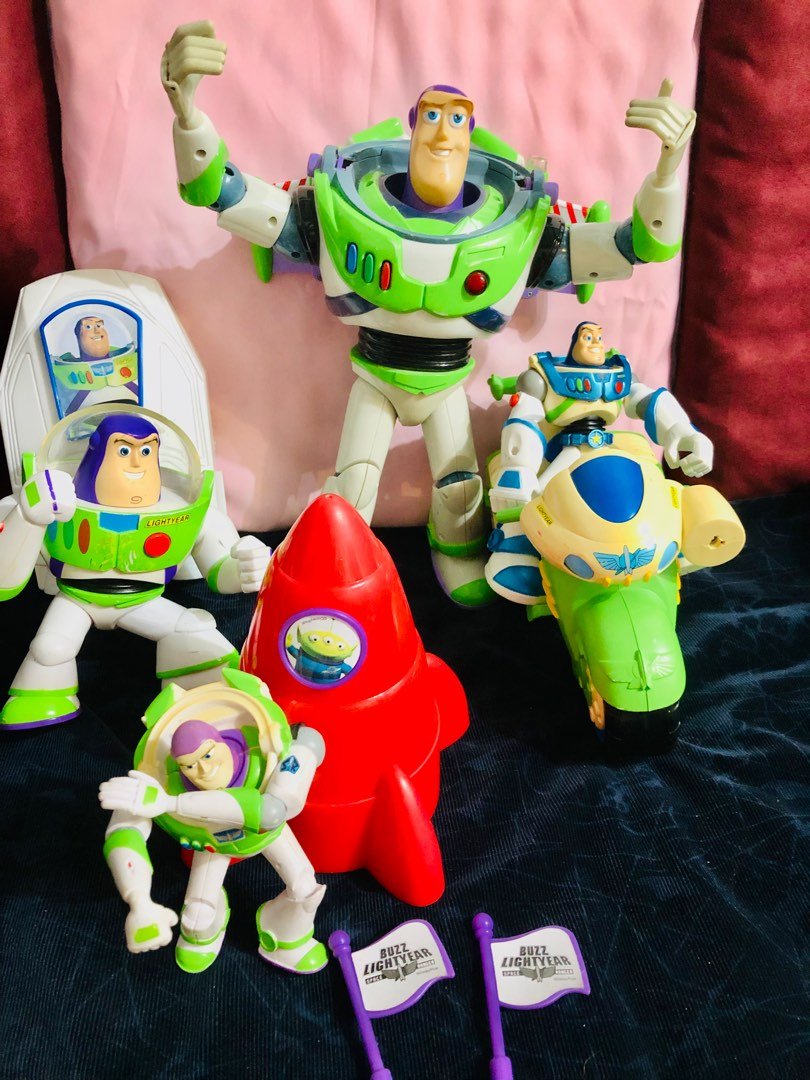
For generations of collectors, the steadfast gaze and iconic declaration of "To Infinity… and Beyond!" evoke a sense of adventure, nostalgia, and sheer joy. But when it comes to Caring For & Displaying Buzz Lightyear Collectibles, ensuring their longevity and preserving their value isn't just about sentimentality—it's about smart preservation. Whether you're safeguarding a rare, vintage piece from the original Toy Story era or showcasing the latest interactive marvel inspired by the Lightyear movie, proper care is crucial. These aren't just toys; they're pieces of pop culture history, meticulously crafted figures that tell a story.
This guide will equip you with the knowledge and practical steps to maintain your Space Ranger's pristine condition, allowing you to display them with pride for years to come.
At a Glance: Key Takeaways for Buzz Collectors
- Handle with Extreme Care: Always support figures by their sturdiest parts to prevent damage.
- Beware of UV Rays: Direct sunlight causes irreversible color fading; use UV-resistant cases.
- Climate Control is King: Avoid extreme temperatures and humidity to prevent warping and paint degradation.
- Dust Regularly: A soft brush or cloth prevents abrasive build-up and keeps figures looking their best.
- Invest in Protection: Display cases and risers guard against dust, accidents, and environmental factors.
- Creative Display: Use themes, risers, and subtle lighting to enhance visual appeal.
- Buzz's Value: Condition and rarity directly impact financial and sentimental worth.
Why Buzz Lightyear Endures: More Than Just a Toy
Buzz Lightyear isn't merely an action figure; he's a cultural icon, a symbol of bravery and boundless possibility. His appeal transcends age, captivating children with his adventurous spirit and resonating with adults through a powerful wave of nostalgia. This universal connection is a significant reason why Buzz Lightyear action figures have maintained such enduring popularity and continue to be highly sought-after collectibles.
From his rich backstory as a Space Ranger in Star Command to the refreshed relevance brought by the 2022 Lightyear movie, Buzz remains at the forefront of pop culture. Toy companies like Mattel and Thinkway Toys have consistently innovated, evolving Buzz from basic lights and sounds to advanced voice commands and interactive capabilities, such as communicating with Woody toys. These advancements, coupled with his availability in diverse formats—from small collectibles and large-scale models to remote-controlled toys and intricate LEGO sets—ensure his place in the hearts of collectors worldwide. This continuous evolution means that your collection could include a wide range of materials and mechanisms, each requiring specific consideration for its long-term preservation.
The Invisible Threats: Why Proper Care is Crucial for Your Space Ranger
Before we dive into the "how-to," it's essential to understand why these steps are so important. Collectible action figures often hold significant sentimental value, and many can appreciate in financial worth depending on their rarity, condition, and demand. A faded paint job, a warped limb, or a dusty exterior can dramatically diminish both. Protecting your Buzz Lightyear figures isn't just about keeping them clean; it's about safeguarding their integrity and ensuring their story continues.
Gentle Touch: Handling Your Space Ranger
Even the most robust action figures can be surprisingly delicate. Every time you pick up a Buzz Lightyear collectible, you run the risk of causing minor damage if not handled correctly.
Here’s how to handle your figures like a seasoned pro:
- Be Deliberate and Gentle: Avoid sudden movements or excessive force. Think of it less like a toy and more like a miniature sculpture.
- Support the Sturdy Parts: Always support the figure by its sturdiest sections—typically the torso or the legs. These areas are designed to bear weight and are less prone to snapping or bending.
- Avoid Limbs and Articulations: Resist the urge to pick up Buzz by his arms, wings, or helmet. These thinner parts are often made of more brittle plastic or are subject to stress at their joint connections, making them vulnerable to breakage, especially on older figures where plastic can become more fragile.
- Minimize Twisting: Do not twist or pull limbs unnecessarily. If a joint feels stiff, apply gentle, even pressure, or warm the area slightly with a hairdryer on a low setting (from a safe distance) to loosen the plastic before attempting to pose.
Pitfall to Avoid: Forcing a pose or joint. If it doesn't move easily, re-evaluate rather than risking a permanent break. A broken limb significantly impacts a figure's value and display quality.
Sun's Out, Buzz's Colors Fade: The Imperative of UV Protection
One of the most insidious enemies of any collectible, especially those with vibrant colors like Buzz Lightyear, is direct sunlight. The ultraviolet (UV) rays in sunlight cause a chemical reaction that breaks down pigments in paint and plastic, leading to irreversible fading and discoloration. This "sun-bleaching" can turn Buzz's iconic green and purple into muted, washed-out hues.
To protect your Space Ranger from the sun's silent attack:
- Strategize Placement: Never display figures near windows or in areas that receive direct, unfiltered sunlight for extended periods. Even indirect sunlight can contribute to fading over time.
- Embrace UV-Resistant Display Cases: For valuable or cherished pieces, invest in display cases made from UV-resistant acrylic. These cases filter out harmful UV rays, offering a crucial layer of protection without obscuring your view.
- Consider Window Films: If a room has significant sun exposure, UV-blocking window films can be an excellent, less obtrusive solution for overall room protection.
The Unseen Damage: Remember, damage from UV exposure accumulates slowly. You might not notice it day-to-day, but over months and years, the effect is undeniable and irreversible. Prevention is the only cure.
Climate Control: Battling the Elements of Humidity and Temperature
Just as crucial as protection from sunlight is guarding against extreme temperatures and fluctuating humidity. Plastic, paint, and even internal electronics (for interactive Buzz figures) are sensitive to their environment.
- Temperature Extremes: High temperatures can cause plastic to soften, warp, or even melt, leading to deformed figures. Cold temperatures can make plastic brittle, increasing the risk of breakage during handling.
- Humidity Havoc: High humidity can encourage mold growth, degrade adhesives, and cause paint to become sticky or peel. Low humidity can dry out materials, leading to cracking.
Creating a Buzz-Friendly Environment: - Climate-Controlled Storage: The ideal environment is a climate-controlled room with stable temperatures (around 68-72°F or 20-22°C) and moderate humidity (around 40-60%).
- Avoid Risky Zones: Steer clear of basements (often damp and prone to flooding), attics (prone to extreme temperature swings), and areas near heat sources like radiators, vents, or fireplaces. Bathrooms and kitchens are also high-humidity zones to avoid.
- Use Dehumidifiers/Humidifiers: In areas prone to high or low humidity, consider using a small dehumidifier or humidifier to regulate the immediate environment around your collection.
Expert Insight: Think of your collectible's environment like a museum exhibit. Museums invest heavily in climate control because it's paramount for preserving artifacts for centuries. Your Buzz figures, though less ancient, benefit from the same principles.
Dust Bunnies vs. Star Command: Regular Cleaning
Dust isn't just an aesthetic problem; it's an abrasive one. Over time, accumulated dust can scratch surfaces, dull paint finishes, and even work its way into joints, potentially hindering articulation. Regular, gentle cleaning is a simple yet vital step in maintaining your collection.
Your Dusting Protocol:
- Soft Tools Only: Use a soft, lint-free microfiber cloth or a small, soft-bristled brush (like a cosmetic brush or a dedicated collectible dusting brush).
- Gentle Strokes: Dust the figure using light, sweeping motions. Do not scrub or apply excessive pressure, especially on painted areas.
- Compressed Air (with caution): For intricate crevices, a can of compressed air can be useful. Hold it upright and spray in short bursts from a distance to avoid introducing moisture or freezing cold directly onto the figure. Never hold the can at an angle or too close, as this can release propellants that damage plastic or paint.
- Avoid Abrasives: Absolutely no abrasive cloths, paper towels, or chemical cleaners. These can scratch plastic, strip paint, or react with materials in unpredictable ways. For stubborn grime (rare if figures are properly stored), a very lightly dampened cloth with distilled water can be used, but always test on an inconspicuous area first and dry immediately.
Frequency: Aim for dusting every few weeks or once a month, depending on how quickly dust accumulates in your display area. Figures in sealed cases will need less frequent attention.
Fortress of Solitude: The Power of Protective Cases
Beyond just dusting, protective cases offer a comprehensive defense against physical damage, environmental fluctuations, and curious hands. They are arguably the single most important investment for serious collectors.
Choosing Your Protection:
- Plastic Display Cases (Clamshells/Boxes): Ideal for individual, carded, or boxed figures you want to keep pristine. These typically offer excellent dust and UV protection (if specified) and prevent accidental bumps.
- Acrylic Display Cases: For loose figures, small dioramas, or higher-value pieces, clear acrylic cases are excellent. They come in various sizes and can be stacked or placed on shelves. Look for cases with UV protection for added benefit.
- Acrylic Risers: While not fully protective, risers elevate figures within a larger display case or on a shelf, minimizing direct contact with the surface and creating visual interest. They reduce the chance of figures being knocked over or scraped.
- Storage Boxes (Archival Quality): For figures not currently on display, acid-free archival storage boxes can protect against light, dust, and environmental contaminants. Ensure figures are individually wrapped in acid-free tissue paper or placed in individual bags within the box to prevent them from rubbing against each other.
The Investment Justification: A good quality display case is a small price to pay to protect a valuable or sentimental collectible. It's not just about preventing damage; it's about showcasing your collection in its best possible light.
Beyond the Box: Crafting a Stellar Buzz Lightyear Display
Caring for your Buzz Lightyear collection is only half the mission; the other half is displaying it in a way that truly honors its legacy and tells a compelling story. A thoughtful display enhances visual impact, allows you to appreciate your collection, and can even become a focal point of your space. Whether you're showcasing a single vintage Buzz Lightyear collectible or an entire fleet of Space Rangers, here’s how to create an unforgettable exhibition.
Your Collection, Your Stage: Choosing Display Methods
The "best" display method depends entirely on your collection size, available space, personal aesthetic, and budget. There's no one-size-fits-all, but there are plenty of excellent options.
- Shelves: The most common and versatile option.
- Pros: Easy to install, flexible arrangement, suitable for various figure sizes.
- Cons: Figures are exposed to dust and potential accidents.
- Tip: Opt for sturdy, wall-mounted shelves to prevent tipping. Glass shelves can create an airy, modern look.
- Wall-Mounted Cases: Enclosed cases that attach directly to your wall.
- Pros: Excellent dust and physical protection, space-saving, creates a framed look.
- Cons: Less flexible for rearrangement, can be heavier and require secure mounting.
- Tip: Look for cases with built-in lighting to further enhance your display.
- Display Cabinets/Curios: Freestanding furniture pieces with glass doors.
- Pros: Offers comprehensive protection, often includes adjustable shelves and lighting, can be a furniture statement.
- Cons: Requires floor space, can be more expensive.
- Tip: Ensure cabinets are stable and consider anchoring them to the wall if you have pets or small children.
- Diorama Setups: Creating miniature scenes or environments for your figures.
- Pros: Highly creative, tells a story, incredibly engaging and unique.
- Cons: Requires significant time, effort, and often specialized materials; takes up more space.
- Tip: Start small with a simple base and a few props. Consider iconic scenes from Toy Story or Lightyear for inspiration.
Decision Criteria: Consider the security of your figures (protection from falls, dust, hands), the visual impact you want to achieve, and how easily you can access or rearrange figures.
Narrative Nooks: Themed Displays and Dioramas
A scattered collection, while still enjoyable, often lacks impact. Arranging your figures with a theme or storyline transforms them from individual pieces into a cohesive narrative.
- Franchise Grouping: Display all your Buzz Lightyear figures together, perhaps even alongside other Toy Story characters like Woody or Jessie, to celebrate the entire universe.
- Evolution of Buzz: Showcase different versions of Buzz through the years—from vintage Thinkway toys to modern Mattel releases, illustrating the character's design evolution and technological advancements.
- Battle Scenes: Create dynamic poses that depict Buzz in action, perhaps battling Emperor Zurg or fending off aliens. Use props or custom backdrops to enhance the scene.
- "In-Box" vs. "Out-of-Box": Dedicate sections to figures still in their original packaging versus those displayed loose. This highlights different aspects of collecting.
Why it Works: A themed display instantly elevates your collection from random objects to a curated exhibition. It draws the viewer in, inviting them to explore the story you're telling.
Eye-Level Elevation: Stands and Risers
Not all figures are created equal in height or prominence. Using stands and risers is a simple yet effective trick to create visual interest and prevent smaller figures from getting lost behind larger ones.
- Acrylic Risers: These clear, stepped platforms allow you to display figures at different heights within a shelf or case without adding visual clutter. They're perfect for creating depth.
- Individual Figure Stands: Many action figures come with stands, or you can purchase generic ones. These ensure figures stay upright, especially those with small feet or dynamic poses that make balancing difficult. They also prevent figures from toppling into each other.
- Layering: Combine risers with stands to create multi-tiered displays. Place taller figures in the back, medium figures on risers, and smaller or more detailed figures in the front.
The Benefit: Risers and stands prevent your display from looking like a flat, uniform line of figures. They add dimension, highlight unique features, and make it easier to see every piece in your collection.
Shine a Light: Illuminating Your Space Ranger
Strategic lighting can dramatically enhance your display, drawing attention to your Buzz Lightyear collectibles and bringing their details to life.
- LED Strip Lights: These are incredibly versatile. They can be installed along the edges of shelves, inside display cabinets, or around the perimeter of a diorama. Choose warm white for a classic feel or cool white for a more futuristic look, reminiscent of outer space.
- Spotlights: Small, directional LED spotlights can be used to highlight individual figures or specific features, creating a dramatic, museum-quality effect.
- Avoid Heat-Emitting Lights: Incandescent bulbs generate a lot of heat, which can damage plastic and paint over time. Always opt for cool-burning LED lights.
- Timers: Consider putting your display lights on a timer to prevent them from being on 24/7, which extends the life of the lights and reduces energy consumption.
Lighting as an Art: Think about how light and shadow play on your figures. Good lighting isn't just about brightness; it's about shaping and revealing the details that make your Buzz Lightyear collection so special.
Common Questions from Star Command Collectors
Even with the best intentions, questions can arise when preserving your Buzz Lightyear collectibles. Here are answers to some common inquiries.
"Can I really clean vintage Buzz figures, especially if they're a bit yellowed?"
Cleaning vintage figures requires extra caution. Yellowing is often caused by the breakdown of plastic over time (a process called "bromine degradation") and is often irreversible without professional restoration, which can be risky. For surface dirt, use the softest possible brush and a lint-free cloth. Avoid any harsh chemicals, as vintage plastics and paints are more prone to damage. If the figure has any electronic components, never introduce moisture.
"What's the best material for display cases?"
Acrylic (Plexiglas) is generally preferred over glass for action figure display cases. It's lighter, less prone to shattering, and can be manufactured with UV-filtering properties more easily than standard glass. Look for "museum-grade" or "UV-blocking" acrylic for optimal protection against fading.
"How often should I dust my figures?"
The frequency depends on your environment. If figures are in open air, dusting weekly or bi-weekly is ideal. Figures in enclosed, sealed display cases might only need dusting every few months. The goal is to prevent noticeable dust build-up.
"Do Buzz LEGO sets require different care than traditional action figures?"
Yes, to some extent. LEGO sets, while robust, are still susceptible to dust and UV fading.
- Dusting: Use a soft brush and compressed air for intricate sections.
- UV Protection: Just like traditional figures, direct sunlight can yellow white or light-colored bricks and fade colors. Display LEGO sets out of direct sun or in UV-protected cases.
- Handling: While sturdier, excessive force can still cause pieces to detach or break.
- Storage (if disassembled): Store disassembled LEGO bricks in airtight containers, away from direct light and extreme temperatures, to prevent dust and material degradation.
"My Buzz Lightyear has electronic features. How do I maintain them?"
For interactive Buzz Lightyear toys, maintenance involves more than just external care:
- Battery Care: Remove batteries if you plan to store the figure for an extended period (more than a few months) to prevent corrosion, which can permanently damage electronics. Use high-quality batteries to minimize leakage risk.
- Moisture: Keep electronic figures completely dry. Moisture can short-circuit components.
- Buttons/Switches: Operate buttons and switches gently. Avoid forcing them. If a button stops working, it may be a connection issue best handled by a professional if repair is desired.
Securing Your Legacy: Final Thoughts for the Collector
Caring for and displaying your Buzz Lightyear collectibles isn't just a chore; it's an integral part of the collecting experience. It's a testament to your passion and dedication, ensuring that these iconic Space Rangers remain in pristine condition, ready to inspire awe for years, even decades, to come. Each thoughtful action, from a gentle dusting to investing in a UV-protected display case, contributes to the longevity of your cherished pieces.
By applying these practical, expert-backed strategies, you're not just preserving plastic and paint; you're safeguarding memories, pop culture history, and potentially valuable assets. So, go forth, Space Ranger, and ensure your Buzz Lightyear collection is ready to proclaim "To Infinity… and Beyond!" for every generation to enjoy.